
TAVI/TAVR Treatment
TAVI/TAVR Treatment
Overview
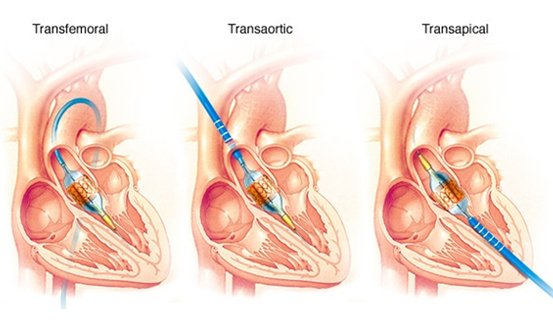
Transcatheter Aortic Valve Implantation (TAVI), also known as Transcatheter Aortic Valve Replacement (TAVR), is an advanced minimally invasive procedure used to treat severe aortic valve stenosis. Aortic stenosis occurs when the aortic valve becomes narrowed due to age-related calcium deposits or other underlying conditions, making it difficult for blood to flow from the heart to the rest of the body. Unlike traditional open-heart surgery, TAVI/TAVR allows cardiologists to replace the damaged valve using a catheter, usually inserted through a blood vessel in the groin or chest. This innovative procedure offers an effective treatment option for patients who may be at high or intermediate surgical risk, providing improved heart function, relief from symptoms, and a faster recovery.
Causes
The most common cause of severe aortic stenosis is age-related calcification, where calcium gradually builds up on the aortic valve, causing it to become stiff and narrow. Some individuals are born with a congenital bicuspid aortic valve, which has only two leaflets instead of three and may wear out earlier in life. Rheumatic heart disease, previous chest radiation therapy, chronic kidney disease, and certain metabolic disorders can also contribute to valve damage. As the valve narrows, the heart must work harder to pump blood, eventually leading to symptoms and complications if left untreated.
Symptoms
Many patients with early aortic stenosis may not notice symptoms, but as the condition progresses, it can significantly affect daily activities. Common symptoms include chest pain or tightness, shortness of breath during physical activity or even at rest, dizziness, fainting episodes, unusual fatigue, rapid or irregular heartbeat, and reduced ability to exercise. Swelling in the legs or ankles may also develop as heart function declines. These symptoms should never be ignored, as severe aortic stenosis can become life-threatening without timely treatment.
Diagnosis
Diagnosing aortic valve disease involves a detailed clinical evaluation along with advanced cardiac investigations. The cardiologist begins by reviewing the patient’s medical history and performing a physical examination, often detecting a characteristic heart murmur. An echocardiogram is the primary test used to assess valve structure, severity of narrowing, and heart function. Additional investigations such as electrocardiography (ECG), chest X-ray, CT angiography, cardiac catheterization, and blood tests may be recommended to evaluate overall heart health and determine whether TAVI/TAVR is the most appropriate treatment option.
Treatment Options
The choice of treatment depends on the severity of valve disease, symptoms, age, overall health, and surgical risk. Mild or moderate aortic stenosis may be managed with regular monitoring and medications to control associated conditions such as high blood pressure or heart failure, although medicines cannot reverse the narrowing of the valve. For patients with severe symptomatic aortic stenosis, TAVI/TAVR provides a minimally invasive alternative to surgical valve replacement. During the procedure, a new artificial valve is delivered through a catheter and positioned inside the diseased valve, immediately restoring normal blood flow. The procedure typically requires a shorter hospital stay, less discomfort, and a quicker recovery compared to conventional open-heart surgery.
Post-Treatment Care
Recovery following TAVI/TAVR is generally faster than traditional heart surgery, but proper follow-up care is essential for long-term success. Patients are encouraged to take prescribed medications exactly as directed, including blood-thinning medicines if recommended. Regular follow-up appointments, echocardiograms, and heart function assessments help ensure the replacement valve is functioning properly. Maintaining a heart-healthy lifestyle through a balanced diet, regular physical activity, smoking cessation, and effective management of conditions such as diabetes, hypertension, and high cholesterol can further improve recovery and reduce future cardiovascular risks.
Risks or Complications
Although TAVI/TAVR is considered a safe and highly effective procedure, like any medical intervention, it carries certain risks. Potential complications include bleeding, infection, blood vessel injury, stroke, heart rhythm abnormalities that may require a pacemaker, blood clots, kidney complications, or leakage around the implanted valve. These risks are carefully evaluated before the procedure, and experienced cardiology teams use advanced imaging and monitoring techniques to minimize complications and achieve the best possible outcomes.
When to See a Doctor
You should consult a cardiologist if you experience persistent chest pain, unexplained shortness of breath, dizziness, fainting, palpitations, unusual fatigue, or swelling in your legs. Individuals with a known heart murmur or previously diagnosed valve disease should undergo regular cardiac evaluations even if symptoms are mild. Seeking medical attention promptly allows for early diagnosis and timely treatment, helping prevent serious complications such as heart failure or sudden cardiac events. Early intervention with appropriate therapies, including TAVI/TAVR when indicated, can significantly improve quality of life and long-term heart health.
Explore more:
Explore Our Specialities
Your heart deserves expert care, every beat of the way.
Our Services
Healthy hearts create healthier lives. We combine advanced diagnostic technology, evidence-based treatments, and personalized care to prevent, diagnose, and manage heart conditions with precision and compassion.
Don’t Ignore Your Symptoms
Get timely diagnosis and expert treatment for lasting relief.