
Laser Angioplasty
Laser Angioplasty
Overview
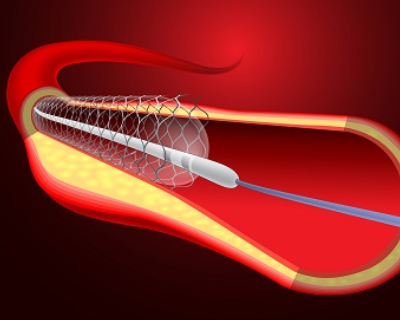
Laser angioplasty is an advanced minimally invasive procedure used to restore blood flow in narrowed or blocked arteries, particularly the coronary arteries that supply blood to the heart. Unlike conventional angioplasty, which primarily uses a balloon to widen the artery, laser angioplasty employs high-energy laser light to vaporize or break down plaque deposits that obstruct blood flow. This technique is especially beneficial for complex or heavily calcified blockages that may not respond well to standard angioplasty alone. In many cases, laser angioplasty is combined with balloon angioplasty and stent placement to achieve the best possible outcome. The procedure helps improve circulation, relieve symptoms, and reduce the risk of serious cardiovascular events while allowing for a faster recovery compared to open-heart surgery.
Causes
Laser angioplasty is typically recommended when coronary arteries become narrowed or blocked due to the buildup of fatty deposits known as plaque, a condition called atherosclerosis. This plaque accumulation develops gradually over time and restricts the flow of oxygen-rich blood to the heart muscle. Several factors contribute to the development of coronary artery disease, including high cholesterol, high blood pressure, diabetes, smoking, obesity, physical inactivity, unhealthy eating habits, advancing age, and a family history of heart disease. In some patients, recurrent blockage inside a previously placed stent or complex arterial lesions may also require laser angioplasty for effective treatment.Primary PCI is required when a coronary artery becomes completely blocked due to the rupture of an atherosclerotic plaque. Over time, fatty deposits known as plaques accumulate within the walls of the coronary arteries. If one of these plaques ruptures, it can trigger the formation of a blood clot that suddenly obstructs blood flow to the heart. Several factors increase the risk of this condition, including high blood pressure, diabetes, high cholesterol, smoking, obesity, physical inactivity, chronic stress, unhealthy dietary habits, and a family history of heart disease. Advancing age and certain medical conditions can also contribute to the development of coronary artery disease, increasing the likelihood of a heart attack that requires emergency intervention.
Symptoms
Patients with blocked coronary arteries may experience a range of symptoms depending on the severity of the obstruction. The most common symptom is chest pain or discomfort (angina), which may occur during physical activity or emotional stress. Shortness of breath, unusual fatigue, pain radiating to the shoulders, arms, neck, jaw, or back, dizziness, excessive sweating, and palpitations are also common warning signs. In some individuals, particularly those with diabetes, symptoms may be mild or atypical, making early evaluation essential. Severe blockage can eventually lead to a heart attack if left untreated.
Diagnosis
A cardiologist begins the evaluation with a detailed medical history, physical examination, and assessment of cardiovascular risk factors. Diagnostic investigations may include an electrocardiogram (ECG), echocardiography, blood tests, stress testing, and advanced imaging such as CT coronary angiography. Coronary angiography remains the gold standard for identifying the location and severity of arterial blockages. During this procedure, a contrast dye is injected into the coronary arteries to produce detailed images, helping the cardiologist determine whether laser angioplasty is the most suitable treatment option.
Treatment Options
The treatment approach depends on the severity of the blockage, the patient’s overall health, and the complexity of the affected artery. Mild coronary artery disease can often be managed with lifestyle modifications and medications that control cholesterol, blood pressure, and blood clot formation. When significant blockage affects blood flow, laser angioplasty may be recommended to precisely remove or modify plaque before widening the artery with a balloon. In most cases, a coronary stent is then placed to keep the artery open and reduce the risk of future narrowing. For patients with multiple or extensive blockages, coronary artery bypass grafting (CABG) may be considered if minimally invasive treatment is not appropriate.
Post-Treatment Care
Recovery after laser angioplasty is generally quick, with most patients returning to normal activities within a few days after medical clearance. Following the procedure, medications such as antiplatelet drugs, cholesterol-lowering agents, and blood pressure medications should be taken exactly as prescribed to prevent complications and maintain healthy blood flow. Adopting a heart-healthy lifestyle is equally important and includes eating a balanced diet, engaging in regular physical activity, maintaining a healthy weight, avoiding tobacco use, limiting alcohol intake, and managing conditions such as diabetes and hypertension. Regular follow-up visits allow the cardiologist to monitor recovery and reduce the likelihood of future cardiovascular problems.
Risks or Complications
Laser angioplasty is considered a safe and effective procedure when performed by experienced cardiologists, but like any medical intervention, it carries certain risks. Potential complications include bleeding or bruising at the catheter insertion site, allergic reactions to contrast dye, infection, irregular heart rhythms, damage to the artery, blood clot formation, re-narrowing of the treated artery (restenosis), or, in rare cases, heart attack or stroke. Careful patient selection, advanced imaging guidance, and appropriate post-procedure medications significantly reduce the likelihood of these complications.
When to See a Doctor
Medical evaluation should be sought promptly if you experience persistent chest pain, shortness of breath, unexplained fatigue, dizziness, fainting, or pain that spreads to the arm, neck, jaw, or back. Individuals with risk factors such as diabetes, high cholesterol, hypertension, obesity, smoking, or a family history of heart disease should undergo regular cardiovascular screening, even in the absence of symptoms. If symptoms worsen suddenly or are accompanied by severe chest pain, sweating, nausea, or difficulty breathing, immediate emergency medical care is essential, as these may indicate a heart attack requiring urgent treatment. Early diagnosis and timely intervention can significantly improve heart health and prevent life-threatening complications.
Explore more:
Explore Our Specialities
Your heart deserves expert care, every beat of the way.
Our Services
Healthy hearts create healthier lives. We combine advanced diagnostic technology, evidence-based treatments, and personalized care to prevent, diagnose, and manage heart conditions with precision and compassion.
Don’t Ignore Your Symptoms
Get timely diagnosis and expert treatment for lasting relief.