
Graft Angioplasty
Graft Angioplasty
Overview
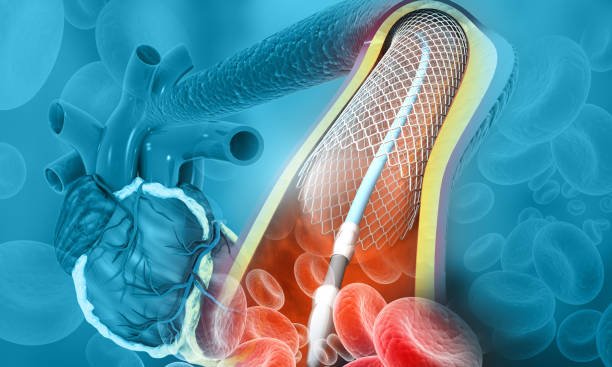
Graft angioplasty is a minimally invasive procedure performed to restore normal blood flow through a previously placed coronary artery bypass graft (CABG) that has become narrowed or blocked over time. After bypass surgery, vein or artery grafts can gradually develop plaque buildup, reducing blood supply to the heart muscle and increasing the risk of chest pain, heart attack, or other cardiovascular complications. Graft angioplasty uses a thin catheter with a small balloon, and in most cases a stent, to reopen the narrowed graft and improve circulation. This advanced procedure helps relieve symptoms, restore heart function, and reduce the likelihood of serious cardiac events while avoiding the need for another major heart surgery whenever possible.
Causes
A bypass graft may become narrowed due to the gradual accumulation of fatty deposits, cholesterol, and inflammatory cells along the inner walls of the graft, a process known as atherosclerosis. Vein grafts, in particular, are more prone to developing blockages over time compared to arterial grafts. Factors such as diabetes, high blood pressure, high cholesterol, smoking, obesity, lack of physical activity, and poor dietary habits can accelerate graft disease. In some cases, blood clots or changes in the graft structure may also contribute to reduced blood flow, making timely evaluation and treatment essential.
Symptoms
Patients with a blocked or narrowed bypass graft may experience symptoms similar to those they had before undergoing bypass surgery. These commonly include chest pain or discomfort (angina), shortness of breath during physical activity or even at rest, unusual fatigue, dizziness, palpitations, and reduced exercise tolerance. Some individuals may develop symptoms gradually, while others may present with signs of an acute heart attack if the graft becomes suddenly blocked. Because these symptoms can indicate a significant reduction in blood supply to the heart, they should never be ignored.
Diagnosis
Diagnosing graft blockage begins with a detailed medical history, assessment of symptoms, and a thorough cardiovascular examination. Electrocardiography (ECG), echocardiography, stress testing, and blood investigations may be performed to evaluate heart function and detect signs of reduced blood flow. Coronary angiography remains the most accurate diagnostic test, allowing the cardiologist to visualize both the native coronary arteries and the bypass grafts in real time. Advanced imaging techniques such as CT coronary angiography may also be recommended in selected patients to provide additional information and assist in treatment planning.
Treatment Options
The choice of treatment depends on the severity and location of the blockage, the patient’s overall health, and the condition of both the bypass graft and the native coronary arteries. Graft angioplasty involves inserting a catheter through an artery in the wrist or groin and guiding it to the affected graft. A balloon is inflated to widen the narrowed segment, and a drug-eluting stent is often placed to keep the vessel open and reduce the chance of future narrowing. Along with the procedure, medications such as blood thinners, cholesterol-lowering drugs, blood pressure medications, and lifestyle modifications play an essential role in improving long-term outcomes. In complex situations where angioplasty is not feasible, repeat bypass surgery may be considered.
Post-Treatment Care
Recovery after graft angioplasty is generally faster than recovery from open-heart surgery, with many patients returning home within a day or two. Following the procedure, it is important to take prescribed medications exactly as directed, particularly antiplatelet therapy to prevent blood clot formation inside the stent. Patients are encouraged to follow a heart-healthy diet, maintain regular physical activity as advised by their cardiologist, avoid smoking, and manage conditions such as diabetes, hypertension, and high cholesterol. Regular follow-up visits and periodic cardiac evaluations help monitor recovery and reduce the risk of future cardiovascular problems.
Risks or Complications
Graft angioplasty is considered a safe and effective procedure, but like all medical interventions, it carries certain risks. Possible complications include bleeding at the catheter insertion site, allergic reactions to contrast dye, blood vessel injury, blood clot formation, irregular heart rhythms, kidney problems related to contrast use, or restenosis, where the treated area narrows again over time. Although uncommon, heart attack, stroke, or emergency surgery may be required in rare cases. Careful patient selection, advanced imaging, and experienced interventional cardiology techniques significantly reduce these risks.
When to See a Doctor
You should consult a cardiologist immediately if you experience recurring chest pain, unexplained shortness of breath, persistent fatigue, palpitations, or symptoms that resemble those you had before your bypass surgery. Individuals who have previously undergone CABG should never ignore new or worsening cardiac symptoms, as they may indicate narrowing of the bypass graft or progression of coronary artery disease. Early diagnosis and timely treatment with graft angioplasty can restore blood flow, prevent serious complications, and help maintain long-term heart health and quality of life.
Explore more:
Explore Our Specialities
Your heart deserves expert care, every beat of the way.
Our Services
Healthy hearts create healthier lives. We combine advanced diagnostic technology, evidence-based treatments, and personalized care to prevent, diagnose, and manage heart conditions with precision and compassion.
Don’t Ignore Your Symptoms
Get timely diagnosis and expert treatment for lasting relief.