
Acute Coronary Syndrome (ACS)
Acute Coronary Syndrome (ACS)
Overview
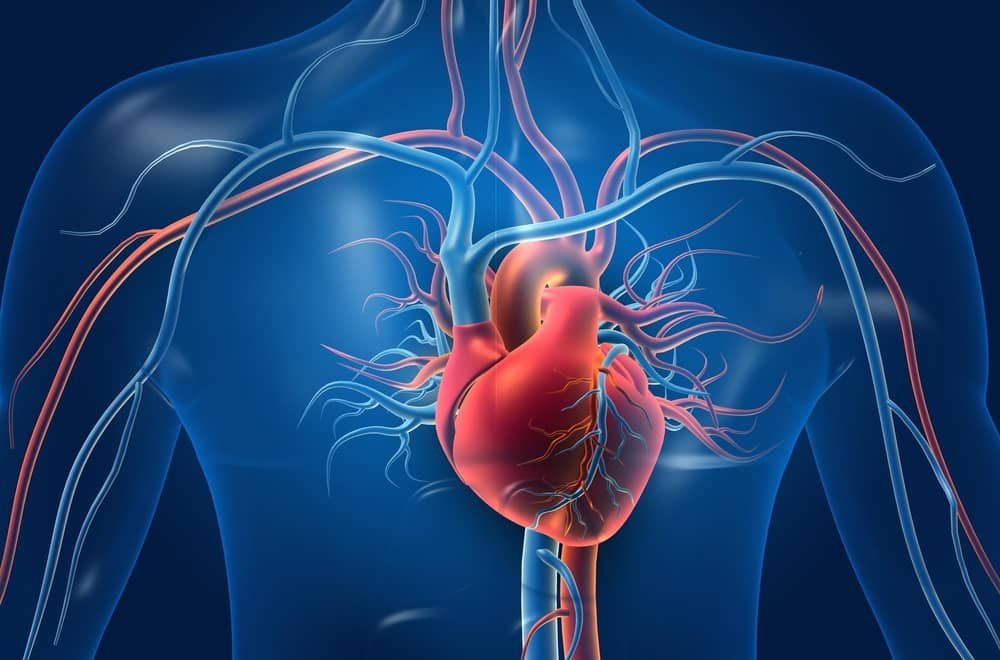
Acute Coronary Syndrome (ACS) is a medical emergency that occurs when blood flow to the heart muscle is suddenly reduced or completely blocked. This condition includes unstable angina, non-ST elevation myocardial infarction (NSTEMI), and ST elevation myocardial infarction (STEMI), all of which require immediate medical attention. Without prompt treatment, the heart muscle can suffer permanent damage, increasing the risk of heart failure, life-threatening rhythm disturbances, or even death.
The most common cause of ACS is the rupture of a cholesterol-rich plaque inside a coronary artery, leading to the formation of a blood clot that restricts blood flow. Modern advances in cardiology have significantly improved survival rates through early diagnosis and timely treatment. With expert care from an experienced cardiologist, many patients can recover well and return to an active, healthy lifestyle while reducing the risk of future cardiac events.
Causes
Acute Coronary Syndrome most often develops due to coronary artery disease, where fatty deposits known as plaques gradually build up inside the arteries supplying blood to the heart. When one of these plaques becomes unstable and ruptures, a blood clot can rapidly form and partially or completely block the artery, preventing oxygen-rich blood from reaching the heart muscle.
Several factors increase the likelihood of developing ACS, including high blood pressure, diabetes, high cholesterol, smoking, obesity, lack of physical activity, chronic stress, unhealthy dietary habits, advancing age, and a family history of heart disease. In less common cases, coronary artery spasm, spontaneous coronary artery dissection, or certain inflammatory conditions affecting the blood vessels may also trigger an acute coronary event.
Symptoms
The hallmark symptom of Acute Coronary Syndrome is chest pain or discomfort that may feel like pressure, heaviness, squeezing, burning, or tightness in the center or left side of the chest. The discomfort may spread to the shoulders, arms, neck, jaw, back, or upper abdomen and often lasts for several minutes or comes and goes.
Many patients also experience shortness of breath, cold sweating, nausea, vomiting, dizziness, unusual fatigue, or a feeling of impending doom. Some individuals, particularly older adults, women, and people with diabetes, may have less typical symptoms such as unexplained weakness, indigestion-like discomfort, or breathlessness without significant chest pain. Because symptoms can vary widely, any suspected heart attack should be treated as a medical emergency.
Diagnosis
Early and accurate diagnosis is essential to minimize heart muscle damage and improve outcomes. The evaluation begins with a detailed assessment of symptoms, medical history, and physical examination, followed by an electrocardiogram (ECG) to detect changes that indicate reduced blood flow or ongoing heart muscle injury.
Blood tests are performed to measure cardiac biomarkers such as troponin, which help confirm heart muscle damage. Additional investigations may include echocardiography to evaluate heart function, coronary angiography to identify blocked arteries, and advanced imaging studies when required. These diagnostic tools help determine the severity of the condition and guide the most appropriate treatment strategy.
Treatment Options
Treatment for Acute Coronary Syndrome focuses on restoring blood flow to the heart as quickly as possible while preventing further clot formation and minimizing permanent heart damage. Emergency medications such as antiplatelet agents, anticoagulants, nitrates, statins, pain-relieving medications, and other supportive therapies are commonly administered depending on the patient’s condition.
For patients with significantly blocked coronary arteries, coronary angiography followed by percutaneous coronary intervention (angioplasty with stent placement) is often the preferred treatment to reopen the artery. In cases involving multiple severe blockages or complex coronary disease, coronary artery bypass graft (CABG) surgery may be recommended. Alongside these procedures, comprehensive risk factor management and personalized treatment plans play an important role in preventing future cardiac events.
Post-Treatment Care
Recovery after Acute Coronary Syndrome extends beyond hospital treatment and requires long-term commitment to heart health. Patients are advised to take prescribed medications consistently, attend regular follow-up appointments, and participate in cardiac rehabilitation programs designed to improve cardiovascular fitness and overall recovery.
Adopting a heart-healthy lifestyle is equally important. This includes following a balanced diet low in saturated fats and salt, engaging in regular physical activity as advised by the cardiologist, maintaining a healthy weight, controlling blood pressure, diabetes, and cholesterol levels, avoiding tobacco use, limiting alcohol intake, and managing stress effectively. These measures significantly reduce the risk of future heart attacks and improve long-term quality of life.
Risks or Complications
If not treated promptly, Acute Coronary Syndrome can lead to serious complications due to permanent damage to the heart muscle. These complications may include heart failure, dangerous cardiac arrhythmias, cardiogenic shock, recurrent heart attacks, damage to heart valves, blood clot formation, and sudden cardiac death.
Even after successful treatment, patients remain at increased risk for future cardiovascular events if underlying risk factors are not properly controlled. Regular cardiac evaluations, adherence to medications, and healthy lifestyle choices are essential to minimize complications and maintain optimal heart function.
When to See a Doctor
Immediate medical attention should be sought if you experience persistent chest pain lasting more than a few minutes, especially when accompanied by shortness of breath, excessive sweating, nausea, dizziness, or pain radiating to the arm, jaw, neck, or back. Delaying treatment can result in irreversible heart damage and significantly reduce the chances of a full recovery.
Individuals with risk factors such as diabetes, hypertension, high cholesterol, smoking, obesity, or a family history of heart disease should also undergo regular cardiac evaluations, even in the absence of symptoms. Early detection of coronary artery disease allows timely intervention and greatly lowers the risk of developing Acute Coronary Syndrome. Prompt consultation with an experienced cardiologist ensures accurate diagnosis, effective treatment, and comprehensive long-term heart care.
Explore more:
Explore Our Specialities
Trusted expertise. Compassionate care. Healthier hearts.
Conditions Treated
Our cardiology practice is dedicated to the prevention, diagnosis, and treatment of a wide range of heart and vascular conditions using advanced technology and evidence-based care.
Don’t Ignore Your Symptoms
Get timely diagnosis and expert treatment for lasting relief.