

Chronic Total Occlusion (CTO) Angioplasty
Chronic Total Occlusion (CTO) Angioplasty
Overview
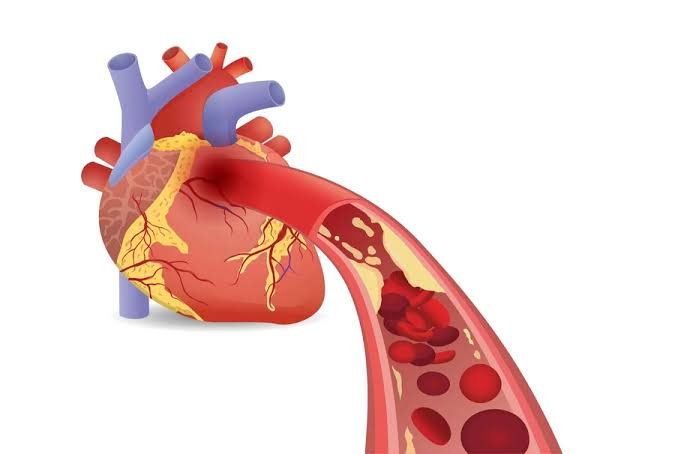
Chronic Total Occlusion (CTO) Angioplasty is an advanced minimally invasive procedure used to open a coronary artery that has been completely blocked for three months or longer. These long-standing blockages often develop due to the gradual buildup of cholesterol-rich plaque within the arteries, restricting blood flow to the heart muscle. While some patients develop collateral blood vessels that partially compensate for the blockage, many continue to experience symptoms that affect their quality of life. CTO angioplasty is a specialized form of coronary angioplasty performed by experienced interventional cardiologists using advanced guidewires, catheters, and imaging techniques to safely restore blood circulation. Successful treatment can significantly reduce chest pain, improve exercise capacity, and lower the risk of future cardiac complications.
Causes
A chronic total occlusion usually develops as a result of progressive coronary artery disease. Over time, fatty deposits, cholesterol, calcium, and inflammatory cells accumulate inside the coronary arteries, eventually leading to complete blockage. Several factors increase the likelihood of developing a CTO, including high blood pressure, diabetes, elevated cholesterol levels, smoking, obesity, lack of physical activity, and advancing age. A family history of heart disease and previous heart attacks can also contribute to the development of chronic arterial blockages. Proper management of these risk factors plays an important role in preventing disease progression.
Symptoms
The symptoms of chronic total occlusion vary depending on the severity of the blockage and the heart’s ability to develop alternate blood supply. Many patients experience recurring chest pain or discomfort, especially during physical activity or emotional stress. Shortness of breath, unusual fatigue, reduced exercise tolerance, and discomfort in the arms, shoulders, neck, jaw, or back are also common. Some individuals may notice symptoms becoming progressively worse over time, while others may have minimal symptoms due to collateral circulation. In certain cases, a CTO is discovered during investigations for other heart-related conditions.
Diagnosis
Diagnosing a chronic total occlusion requires a detailed clinical evaluation combined with advanced cardiac investigations. The cardiologist begins by reviewing the patient’s medical history, symptoms, and cardiovascular risk factors, followed by a thorough physical examination. Tests such as an electrocardiogram (ECG), echocardiogram, stress testing, and cardiac CT angiography help assess heart function and identify areas with reduced blood flow. Coronary angiography remains the gold standard for confirming the presence, location, and complexity of a chronic total occlusion. The findings help determine whether CTO angioplasty is the most appropriate treatment option.
Treatment Options
The choice of treatment depends on the patient’s symptoms, overall heart function, extent of coronary artery disease, and general health. Lifestyle modifications and medications are often recommended to control symptoms and reduce cardiovascular risk. However, when symptoms persist despite medical therapy or when restoring blood flow is expected to improve heart function, CTO angioplasty may be advised. During the procedure, the cardiologist carefully navigates specialized equipment through the blocked artery to reopen the vessel, followed by balloon angioplasty and placement of a coronary stent when required. In selected patients with complex or multiple blockages, coronary artery bypass graft (CABG) surgery may be considered as an alternative treatment.
Post-Treatment Care
Recovery after CTO angioplasty is generally quicker than open-heart surgery, allowing most patients to return to normal activities within a short period under medical guidance. Patients are advised to take prescribed medications consistently, including blood-thinning medicines, cholesterol-lowering drugs, and other cardiac medications as recommended. Maintaining a heart-healthy lifestyle is essential for long-term success. This includes following a balanced diet, exercising regularly, quitting smoking, controlling blood pressure and diabetes, managing stress, and attending regular follow-up appointments. Cardiac rehabilitation programs can further improve recovery and reduce the risk of future heart problems.
Risks or Complications
CTO angioplasty is a highly specialized procedure with a good success rate when performed by experienced interventional cardiologists. However, as with any medical procedure, certain risks may exist. These can include bleeding or bruising at the catheter insertion site, damage to the blood vessel, allergic reactions to contrast dye, irregular heart rhythms, blood clot formation, infection, or, in rare cases, heart attack or stroke. Complex CTO procedures may occasionally require emergency bypass surgery if the artery cannot be safely reopened. Careful patient selection, advanced imaging, and expert procedural planning help minimize these risks and improve treatment outcomes.
When to See a Doctor
You should consult a cardiologist if you experience persistent or recurrent chest pain, shortness of breath, unexplained fatigue, dizziness, or reduced ability to perform routine physical activities. Individuals with diabetes, high blood pressure, high cholesterol, a history of smoking, or a previous heart attack should undergo regular heart evaluations, particularly if new symptoms develop. Early medical assessment allows timely diagnosis and appropriate treatment, helping prevent serious complications and improving long-term heart health. Seeking prompt medical attention for severe chest pain or symptoms suggestive of a heart attack is essential and should never be delayed.
Explore more:
Explore Our Specialities
Your heart deserves expert care, every beat of the way.
Our Services
Healthy hearts create healthier lives. We combine advanced diagnostic technology, evidence-based treatments, and personalized care to prevent, diagnose, and manage heart conditions with precision and compassion.
Don’t Ignore Your Symptoms
Get timely diagnosis and expert treatment for lasting relief.