

Coronary Angioplasty (PCI)
Coronary Angioplasty (PCI)
Overview
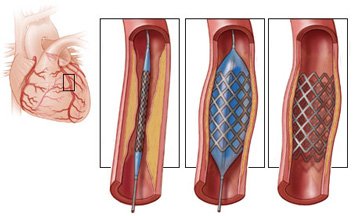
Coronary Angioplasty, also known as Percutaneous Coronary Intervention (PCI), is a minimally invasive procedure used to restore blood flow through narrowed or blocked coronary arteries. These arteries supply oxygen-rich blood to the heart muscle, and when they become blocked due to the buildup of fatty deposits (plaque), the heart may not receive enough oxygen, leading to chest pain or even a heart attack. During PCI, a thin catheter with a small balloon at its tip is guided to the blocked artery. The balloon is inflated to widen the artery, and in most cases, a stent is placed to keep the artery open and improve long-term blood flow. Coronary Angioplasty is a highly effective treatment that can relieve symptoms, improve heart function, and reduce the risk of serious cardiac complications when performed at the appropriate time.
Causes
Coronary Angioplasty is recommended when one or more coronary arteries become significantly narrowed or blocked due to coronary artery disease. The most common cause is atherosclerosis, a condition in which cholesterol, fats, calcium, and other substances accumulate inside the artery walls, forming plaque. Over time, this plaque hardens and restricts blood flow to the heart. Certain factors increase the likelihood of developing coronary artery disease, including high cholesterol, high blood pressure, diabetes, obesity, smoking, lack of physical activity, unhealthy dietary habits, chronic stress, advancing age, and a family history of heart disease. In emergency situations, PCI is often performed to quickly restore blood flow during an acute heart attack.
Symptoms
Patients who require Coronary Angioplasty may experience symptoms caused by reduced blood flow to the heart muscle. The most common symptom is chest pain or discomfort (angina), which may occur during physical activity, emotional stress, or even at rest in severe cases. Some individuals also experience shortness of breath, fatigue, pain spreading to the shoulders, arms, neck, jaw, or back, dizziness, nausea, cold sweats, or palpitations. During a heart attack, symptoms are often sudden and severe, requiring immediate medical attention. However, some patients, especially those with diabetes, may have mild or atypical symptoms, making regular cardiac evaluation essential for early detection.
Diagnosis
A thorough clinical assessment helps determine whether Coronary Angioplasty is the most appropriate treatment. The evaluation begins with a detailed review of symptoms, medical history, and cardiovascular risk factors, followed by a physical examination. Diagnostic investigations may include an electrocardiogram (ECG), echocardiography, stress testing, blood tests to assess cardiac markers, and advanced imaging such as CT coronary angiography. Coronary angiography remains the gold standard for identifying the exact location and severity of arterial blockages. This procedure allows the cardiologist to visualize the coronary arteries in real time and, when appropriate, proceed directly with angioplasty during the same session.
Treatment Options
The treatment plan depends on the severity of the blockage, the patient’s overall health, and the presence of symptoms. Mild coronary artery disease may initially be managed with medications and lifestyle modifications. However, when significant narrowing causes persistent symptoms or limits blood flow to the heart, Coronary Angioplasty offers an effective solution. During the procedure, a catheter is inserted through an artery in the wrist or groin and guided to the affected coronary artery. A balloon is inflated to open the narrowed segment, and a stent is usually placed to maintain adequate blood flow and reduce the risk of future narrowing. In patients with multiple complex blockages, coronary artery bypass surgery may be considered as an alternative treatment based on individual clinical findings.
Post-Treatment Care
Recovery after Coronary Angioplasty is generally quick, with many patients returning home within one or two days depending on their condition. Following the procedure, patients are advised to take prescribed medications, including antiplatelet therapy, exactly as directed to prevent blood clot formation inside the stent. Regular follow-up appointments are essential to monitor recovery and heart health. Adopting a heart-healthy lifestyle plays a vital role in preventing future cardiac events. Maintaining a balanced diet, engaging in regular physical activity as recommended by the cardiologist, quitting smoking, controlling blood pressure, diabetes, and cholesterol levels, and participating in cardiac rehabilitation when advised can significantly improve long-term outcomes and overall quality of life.
Risks or Complications
Coronary Angioplasty is considered a safe and well-established procedure, but like any medical intervention, it carries certain risks. Possible complications include bleeding or bruising at the catheter insertion site, allergic reactions to the contrast dye, blood vessel injury, infection, irregular heart rhythms, blood clots, kidney function changes, or restenosis, where the treated artery becomes narrow again over time. Although uncommon, serious complications such as stroke, heart attack, or emergency bypass surgery may occur in high-risk individuals. Careful patient evaluation, advanced techniques, and experienced cardiac specialists help minimize these risks and ensure the highest standards of safety.
When to See a Doctor
Medical evaluation should be sought immediately if you experience persistent chest pain, pressure or tightness in the chest, unexplained shortness of breath, pain radiating to the arm, neck, jaw, or back, dizziness, fainting, or sudden excessive sweating. Individuals with known heart disease or significant cardiovascular risk factors should not ignore recurring symptoms, even if they appear mild. Early diagnosis and timely treatment can prevent permanent heart damage and significantly improve survival and long-term heart function. Regular cardiac check-ups are also recommended for individuals with diabetes, hypertension, high cholesterol, or a strong family history of heart disease to detect coronary artery disease before serious complications develop.
Explore more:
Explore Our Specialities
Your heart deserves expert care, every beat of the way.
Our Services
Healthy hearts create healthier lives. We combine advanced diagnostic technology, evidence-based treatments, and personalized care to prevent, diagnose, and manage heart conditions with precision and compassion.
Don’t Ignore Your Symptoms
Get timely diagnosis and expert treatment for lasting relief.