
Renal Angioplasty
Renal Angioplasty
Overview
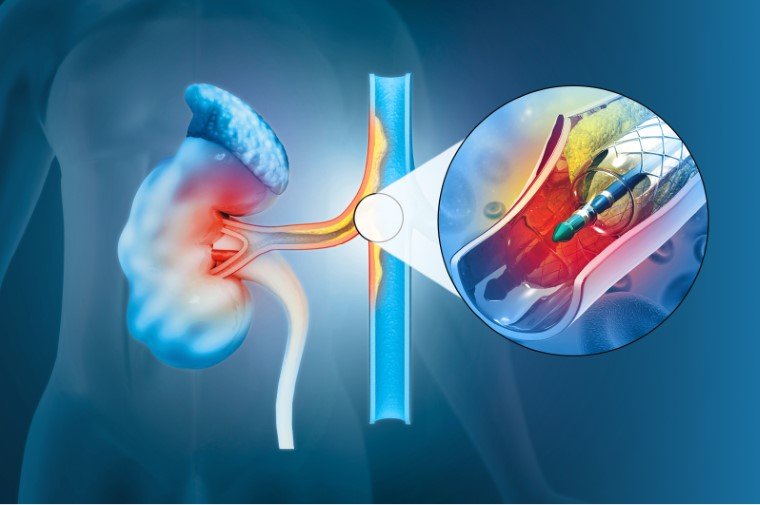
Renal angioplasty is a minimally invasive procedure used to treat narrowing or blockage of the renal arteries, which are the blood vessels that supply oxygen-rich blood to the kidneys. When these arteries become narrowed due to conditions such as atherosclerosis or fibromuscular dysplasia, blood flow to the kidneys is reduced, potentially leading to high blood pressure, declining kidney function, or kidney damage. Renal angioplasty helps restore normal blood flow by widening the narrowed artery using a small balloon, and in many cases, a stent is placed to keep the artery open. The procedure is performed using catheter-based techniques, offering a safer alternative to open surgery with faster recovery and excellent outcomes for suitable patients.
Causes
Renal artery narrowing most commonly develops due to atherosclerosis, a condition in which fatty deposits build up along the artery walls, reducing blood flow over time. This is more common in older adults and individuals with risk factors such as high cholesterol, diabetes, smoking, obesity, and hypertension. Another important cause is fibromuscular dysplasia, a non-atherosclerotic condition that affects the structure of the arterial wall and is more frequently seen in younger women. Less commonly, inflammation of blood vessels, congenital abnormalities, trauma, or previous surgical procedures may contribute to renal artery stenosis. Identifying the underlying cause is essential for selecting the most appropriate treatment approach.
Symptoms
Many people with renal artery stenosis may not experience noticeable symptoms during the early stages. As the condition progresses, uncontrolled or difficult-to-manage high blood pressure is often the first sign. Patients may also develop worsening kidney function, swelling in the legs or feet due to fluid retention, persistent fatigue, or shortness of breath. In severe cases, sudden episodes of fluid accumulation in the lungs, known as flash pulmonary edema, may occur. Because these symptoms can overlap with other medical conditions, prompt evaluation by a specialist is important for accurate diagnosis and timely treatment.
Diagnosis
Diagnosing renal artery stenosis begins with a detailed medical history, physical examination, and assessment of blood pressure and kidney function. Blood and urine tests help evaluate how well the kidneys are working. Imaging studies play a vital role in confirming the diagnosis. Doppler ultrasound is often used as an initial screening test to assess blood flow through the renal arteries. CT angiography and MR angiography provide detailed images of the blood vessels, while catheter-based renal angiography remains the gold standard for confirming the diagnosis and may also be used when angioplasty is planned. These investigations help determine the severity of narrowing and guide the most effective treatment strategy.
Treatment Options
Treatment depends on the severity of the artery narrowing, the patient’s symptoms, kidney function, and overall health. Mild cases may be managed with medications to control blood pressure, cholesterol, and other cardiovascular risk factors, along with lifestyle modifications such as smoking cessation, healthy eating, regular exercise, and diabetes management. When significant narrowing causes uncontrolled hypertension, deteriorating kidney function, or recurrent complications, renal angioplasty is often recommended. During the procedure, a thin catheter is guided through the blood vessels to the narrowed area, where a balloon is inflated to widen the artery. In many patients, a stent is placed to maintain adequate blood flow and reduce the risk of the artery narrowing again.
Post-Treatment Care
Recovery after renal angioplasty is generally quick, with most patients returning home within a day, depending on their overall condition. Patients are advised to stay well-hydrated, avoid strenuous activities for a short period, and take all prescribed medications, including blood-thinning medicines if recommended. Regular follow-up appointments are essential to monitor blood pressure, kidney function, and the long-term success of the procedure. Maintaining a heart-healthy lifestyle through a balanced diet, regular physical activity, weight management, and avoiding tobacco significantly contributes to long-term vascular health and reduces the risk of future artery disease.
Risks or Complications
Renal angioplasty is considered a safe and effective procedure when performed by experienced specialists, but like any medical intervention, it carries certain risks. Possible complications include bleeding or bruising at the catheter insertion site, allergic reactions to the contrast dye, infection, damage to the blood vessel, blood clots, or re-narrowing of the treated artery over time. In rare cases, kidney function may temporarily worsen due to contrast exposure, particularly in patients with pre-existing kidney disease. Careful patient evaluation, advanced procedural techniques, and close follow-up help minimize these risks and improve treatment outcomes.
When to See a Doctor
You should consult a cardiologist or vascular specialist if you have persistently high blood pressure that remains uncontrolled despite medication, unexplained decline in kidney function, swelling in the legs, recurrent episodes of breathlessness, or a history of vascular disease. Individuals with multiple cardiovascular risk factors or a family history of arterial disease should also consider regular health evaluations. Early diagnosis and timely treatment of renal artery narrowing can help preserve kidney function, improve blood pressure control, and reduce the risk of serious cardiovascular and kidney-related complications. Seeking medical attention promptly can lead to better long-term health and improved quality of life.
Explore more:
Explore Our Specialities
Your heart deserves expert care, every beat of the way.
Our Services
Healthy hearts create healthier lives. We combine advanced diagnostic technology, evidence-based treatments, and personalized care to prevent, diagnose, and manage heart conditions with precision and compassion.
Don’t Ignore Your Symptoms
Get timely diagnosis and expert treatment for lasting relief.