
ASD Device Closure Procedure
ASD Device Closure Procedure
Overview
An Atrial Septal Defect (ASD) is a congenital heart condition in which there is an abnormal opening in the wall (septum) that separates the upper chambers of the heart (atria). This opening allows oxygen-rich and oxygen-poor blood to mix, causing the heart and lungs to work harder than normal. While some small ASDs may close naturally during childhood, moderate to large defects often require treatment to prevent long-term complications. ASD Device Closure is a minimally invasive, catheter-based procedure designed to close the defect without the need for open-heart surgery. The procedure is highly effective, offers faster recovery, and helps restore normal blood flow, allowing patients to return to their daily activities with improved heart function and quality of life.
Causes
ASD is a congenital condition, meaning it is present at birth as a result of incomplete development of the heart during fetal growth. In many cases, the exact cause is unknown. Certain genetic factors, inherited conditions, or chromosomal abnormalities may increase the likelihood of developing an atrial septal defect. Environmental influences during pregnancy, such as uncontrolled diabetes, certain infections, alcohol consumption, smoking, or the use of specific medications, may also contribute to abnormal heart development. Most individuals with ASD have no identifiable risk factor, and the condition is often discovered during routine medical examinations or investigations for heart murmurs.
Symptoms
Many people with small atrial septal defects experience no symptoms and may remain unaware of the condition for years. However, larger defects can gradually lead to noticeable symptoms as the heart becomes overworked. Patients may experience shortness of breath during physical activity, unusual fatigue, frequent respiratory infections, irregular heartbeats, or a sensation of palpitations. Some individuals may develop swelling in the legs or feet due to fluid retention. If left untreated for many years, a significant ASD can increase the risk of pulmonary hypertension, heart failure, stroke, or abnormal heart rhythms. Early recognition of symptoms and timely evaluation can help prevent these complications.
Diagnosis
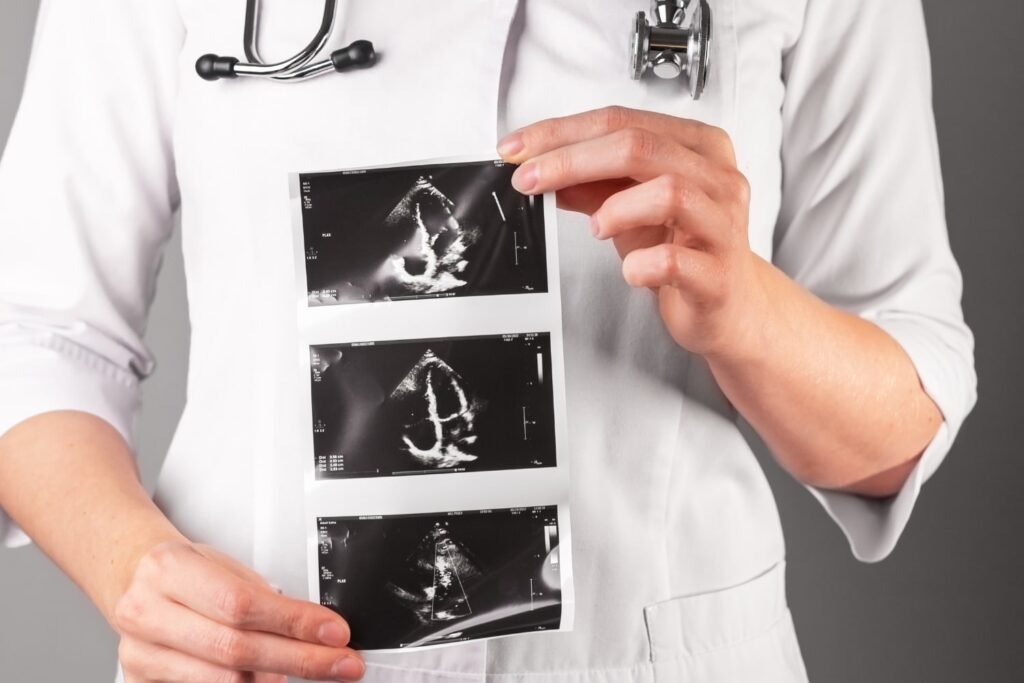
Diagnosing an atrial septal defect begins with a detailed medical history and physical examination. A cardiologist may detect a characteristic heart murmur or other abnormal heart sounds during examination. Echocardiography is the primary imaging test used to confirm the diagnosis, determine the size and location of the defect, and evaluate its impact on heart function. Additional investigations such as an electrocardiogram (ECG), chest X-ray, transesophageal echocardiography (TEE), cardiac CT scan, MRI, or cardiac catheterization may be recommended to obtain detailed information and determine whether the patient is a suitable candidate for device closure.
Treatment Options
The treatment approach depends on the size of the defect, the patient’s symptoms, and its effect on heart function. Small ASDs that do not affect the heart significantly may only require regular monitoring. Larger defects causing symptoms or enlargement of the heart usually require closure to prevent future complications. ASD Device Closure is often the preferred treatment for suitable patients. During the procedure, a thin catheter is inserted through a blood vessel in the groin and guided to the heart under imaging guidance. A specially designed closure device is then positioned across the opening, where it expands and permanently seals the defect. Over time, the body’s natural tissue grows over the device, creating a permanent closure. Patients whose defects are not suitable for device closure may require surgical repair.
Post-Treatment Care
Recovery after ASD Device Closure is generally quick, with most patients returning home within a day and resuming normal daily activities within a short period. Regular follow-up appointments are important to monitor healing and ensure that the device remains securely in place. Patients may be prescribed blood-thinning medications or antiplatelet therapy for a few months to reduce the risk of clot formation while the heart tissue heals. Maintaining a heart-healthy lifestyle, including a balanced diet, regular exercise as advised by the cardiologist, avoiding smoking, and controlling blood pressure and cholesterol levels, supports long-term cardiovascular health. Good oral hygiene and regular dental care are also recommended to reduce the risk of heart infections.
Risks or Complications
ASD Device Closure is considered a safe and highly successful procedure when performed by experienced cardiologists. However, like any medical intervention, it carries some potential risks. These may include bleeding or bruising at the catheter insertion site, infection, allergic reaction to contrast dye, irregular heart rhythms, blood clot formation, device displacement, or injury to nearby heart structures. Rarely, patients may require additional procedures if complications occur. Careful patient selection, advanced imaging, and expert procedural techniques significantly reduce these risks and contribute to excellent treatment outcomes.
When to See a Doctor
Medical evaluation is recommended if you experience persistent shortness of breath, unexplained fatigue, chest discomfort, frequent heart palpitations, reduced exercise tolerance, or swelling in the legs and ankles. Individuals diagnosed with an atrial septal defect should undergo regular follow-up with a cardiologist even if symptoms are mild or absent. Seeking timely medical care is especially important if symptoms worsen suddenly or if there are signs of stroke, severe breathing difficulty, or fainting. Early diagnosis and appropriate treatment with ASD Device Closure can help prevent serious complications, improve heart function, and support a healthier, more active life.
Explore more:
Explore Our Specialities
Your heart deserves expert care, every beat of the way.
Our Services
Healthy hearts create healthier lives. We combine advanced diagnostic technology, evidence-based treatments, and personalized care to prevent, diagnose, and manage heart conditions with precision and compassion.
Don’t Ignore Your Symptoms
Get timely diagnosis and expert treatment for lasting relief.