

Coronary Angiogram
Coronary Angiogram
Overview
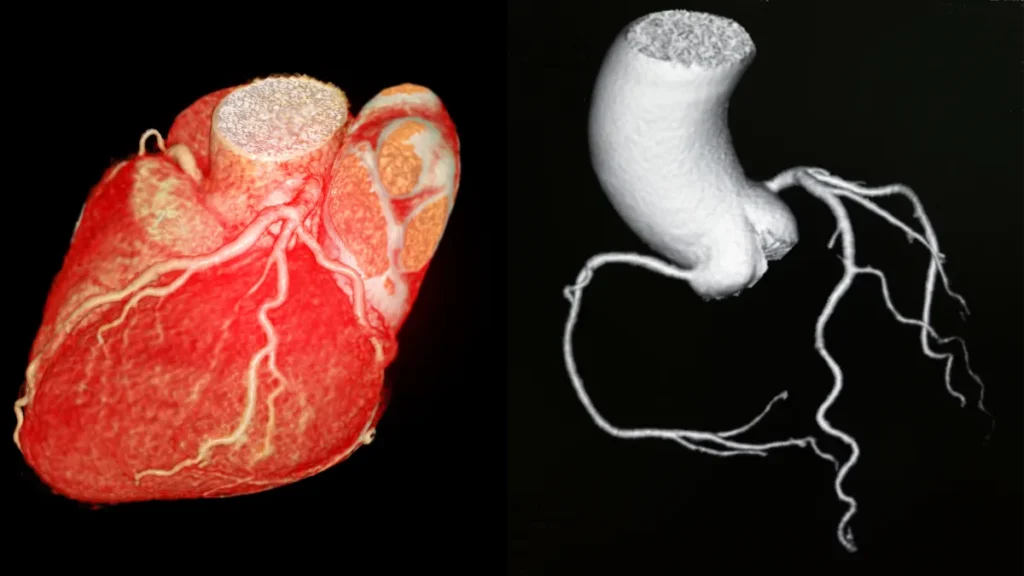
A coronary angiogram is a specialized diagnostic procedure used to evaluate the condition of the coronary arteries, which supply oxygen-rich blood to the heart muscle. It is considered one of the most accurate methods for detecting blockages, narrowing, or other abnormalities that may interfere with normal blood flow. During the procedure, a thin flexible tube called a catheter is inserted through an artery in the wrist or groin and guided to the heart. A contrast dye is then injected, allowing detailed X-ray images of the coronary arteries to be captured. A coronary angiogram plays a vital role in diagnosing coronary artery disease and helps cardiologists determine the most appropriate treatment plan for each patient.
Causes
A coronary angiogram is generally recommended when there is a suspicion of reduced blood flow to the heart due to narrowed or blocked coronary arteries. Common reasons include persistent chest pain (angina), abnormal findings on stress tests or electrocardiograms (ECG), unexplained shortness of breath, or symptoms suggestive of a heart attack. It may also be advised for individuals with known coronary artery disease, those who have undergone previous heart procedures, or patients with multiple cardiovascular risk factors such as diabetes, high blood pressure, high cholesterol, obesity, smoking, or a strong family history of heart disease.
Symptoms
Patients who require a coronary angiogram often experience symptoms that may indicate an underlying heart condition. These symptoms commonly include chest discomfort or pressure, pain that spreads to the arms, shoulders, neck, jaw, or back, shortness of breath during physical activity or at rest, excessive fatigue, dizziness, or episodes of fainting. In some cases, people with diabetes or elderly individuals may have only mild or unusual symptoms, making timely evaluation even more important. An angiogram helps identify the exact cause of these symptoms and guides further treatment.
Diagnosis
Before recommending a coronary angiogram, a cardiologist performs a thorough clinical assessment that includes reviewing the patient’s medical history, symptoms, and cardiovascular risk factors. Initial investigations may include an electrocardiogram (ECG), echocardiogram, blood tests, stress testing, or cardiac CT imaging. If these tests suggest reduced blood flow to the heart or if symptoms strongly indicate coronary artery disease, a coronary angiogram is performed to obtain a clear and detailed view of the coronary arteries. The findings help determine the severity and location of any blockages and support accurate treatment planning.
Treatment Options
A coronary angiogram itself is a diagnostic procedure, but it often helps guide immediate or future treatment. If significant narrowing of the coronary arteries is detected, the cardiologist may recommend medications to improve blood flow and control symptoms. In many cases, angioplasty with stent placement can be performed during the same procedure to restore normal blood circulation. For patients with extensive or multiple blockages, coronary artery bypass graft (CABG) surgery may be the most appropriate treatment option. The choice of treatment depends on the extent of the disease, overall heart function, existing medical conditions, and the patient’s individual health needs.
Post-Treatment Care
Recovery following a coronary angiogram is usually quick, with many patients returning home the same day or after a short hospital stay. Patients are advised to drink plenty of fluids to help eliminate the contrast dye from the body and to avoid strenuous physical activities for a few days, especially if the catheter was inserted through the groin. Medications should be taken exactly as prescribed, and lifestyle modifications such as following a heart-healthy diet, exercising regularly, quitting smoking, and controlling blood pressure, cholesterol, and diabetes are essential for maintaining long-term heart health. Regular follow-up appointments allow the cardiologist to monitor recovery and ensure optimal cardiovascular care.
Risks or Complications
A coronary angiogram is generally a safe and commonly performed procedure when conducted by experienced cardiologists. However, as with any invasive procedure, there are some potential risks. These may include minor bleeding or bruising at the catheter insertion site, allergic reactions to the contrast dye, temporary irregular heart rhythms, infection, or kidney-related complications in susceptible individuals. Rare but serious complications such as stroke, heart attack, or damage to the blood vessels can occur, although they are uncommon. Careful patient evaluation and advanced procedural techniques help minimize these risks.
When to See a Doctor
You should consult a cardiologist if you experience recurring chest pain, unexplained shortness of breath, discomfort during physical activity, or symptoms that may suggest reduced blood flow to the heart. Immediate medical attention is essential if chest pain is severe, persistent, or accompanied by sweating, nausea, dizziness, or pain radiating to the arm or jaw, as these may indicate a heart attack. Individuals with multiple cardiovascular risk factors or a family history of heart disease should also undergo regular heart health evaluations. Early diagnosis through appropriate investigations, including a coronary angiogram when indicated, can help prevent serious complications and improve long-term cardiac outcomes.
Explore more:
Explore Our Specialities
Your heart deserves expert care, every beat of the way.
Our Services
Healthy hearts create healthier lives. We combine advanced diagnostic technology, evidence-based treatments, and personalized care to prevent, diagnose, and manage heart conditions with precision and compassion.
Don’t Ignore Your Symptoms
Get timely diagnosis and expert treatment for lasting relief.