

Myocarditis
Myocarditis
Overview
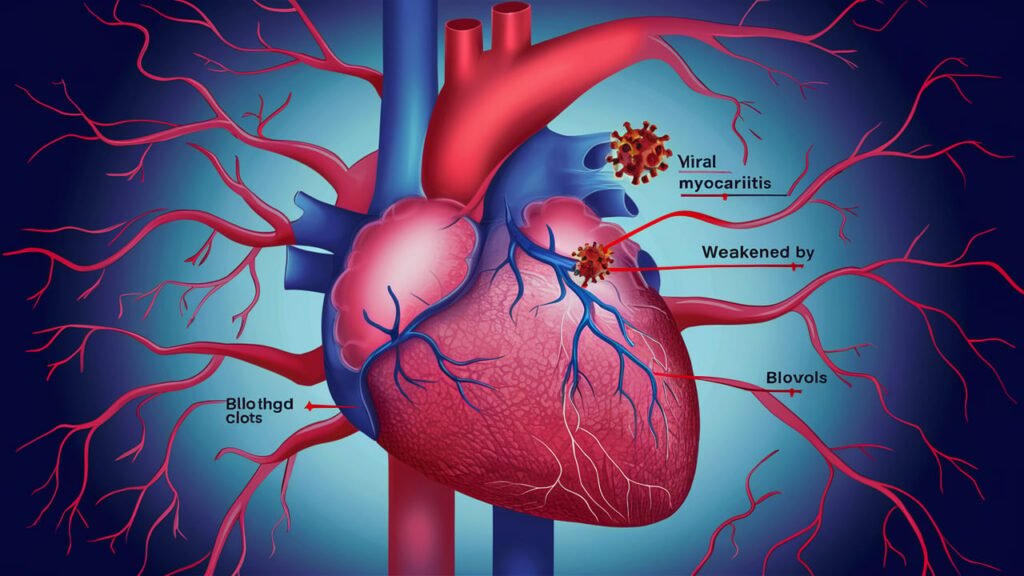
Myocarditis is an inflammatory condition of the heart muscle (myocardium) that can affect the heart’s ability to pump blood efficiently. The inflammation may be mild and resolve on its own, or it can become severe enough to weaken the heart muscle, cause abnormal heart rhythms, or lead to heart failure if left untreated. Myocarditis can affect people of all ages, including children and young adults, and its symptoms may range from almost unnoticeable to life-threatening. Early diagnosis and timely medical care are essential to prevent complications and support complete recovery.
Causes
Myocarditis most commonly develops as a result of viral infections, although bacterial, fungal, and parasitic infections may also trigger inflammation of the heart muscle. In some cases, the body’s immune system mistakenly attacks healthy heart tissue, leading to autoimmune myocarditis. Certain medications, allergic reactions, toxins, excessive alcohol consumption, recreational drugs, and exposure to harmful chemicals can also contribute to the condition. In many patients, however, the exact cause may remain unidentified despite thorough evaluation.
Symptoms
The symptoms of myocarditis vary depending on the severity of inflammation and the extent of heart muscle involvement. Some individuals may experience fatigue, chest pain, shortness of breath during physical activity or even at rest, rapid or irregular heartbeat, dizziness, or fainting episodes. Others may develop swelling in the legs, ankles, or feet due to reduced heart function. In mild cases, symptoms may resemble those of a common viral illness, making the condition difficult to recognize without proper medical evaluation. Persistent or worsening symptoms should never be ignored, especially if they occur after a recent infection.
Diagnosis
Diagnosing myocarditis requires a detailed clinical assessment along with advanced diagnostic testing. The evaluation typically begins with a thorough review of symptoms, medical history, and a physical examination. Blood tests can help identify signs of inflammation or heart muscle injury, while an electrocardiogram (ECG) detects abnormalities in the heart’s electrical activity. An echocardiogram provides valuable information about heart function and structure, and cardiac MRI offers detailed imaging that can identify areas of inflammation or damage. In selected cases, coronary angiography or an endomyocardial biopsy may be recommended to confirm the diagnosis and determine the underlying cause.
Treatment Options
Treatment for myocarditis is tailored according to the severity of the condition, the underlying cause, and the patient’s overall health. Mild cases may improve with adequate rest, close monitoring, and medications to reduce inflammation or manage symptoms. Patients with reduced heart function may require medications that support the heart, control blood pressure, reduce fluid retention, and prevent complications such as abnormal heart rhythms. If an infection is identified, appropriate antimicrobial therapy may be prescribed. In severe cases involving advanced heart failure or life-threatening arrhythmias, hospitalization, mechanical circulatory support, or advanced cardiac therapies may be necessary. Prompt treatment significantly improves the chances of recovery and reduces the risk of long-term heart damage.
Post-Treatment Care
Recovery from myocarditis requires careful follow-up and adherence to the treatment plan recommended by a cardiologist. Patients are generally advised to avoid strenuous physical activity for several months to allow the heart muscle to heal completely. Regular follow-up appointments, imaging studies, and heart function assessments help monitor recovery and detect any ongoing abnormalities. Maintaining a heart-healthy lifestyle, including a balanced diet, appropriate physical activity after medical clearance, adequate sleep, stress management, and avoiding tobacco and excessive alcohol, supports long-term cardiovascular health. Taking prescribed medications consistently and reporting any recurrence of symptoms are equally important during recovery.
Risks or Complications
Although many patients recover fully, untreated or severe myocarditis can lead to serious complications. Persistent inflammation may weaken the heart muscle and result in dilated cardiomyopathy, chronic heart failure, dangerous heart rhythm disturbances, blood clot formation, stroke, or sudden cardiac arrest in rare cases. The likelihood of complications depends on the extent of heart muscle damage and how quickly appropriate treatment is initiated. Early diagnosis, timely intervention, and regular follow-up significantly reduce these risks and improve long-term outcomes.
When to See a Doctor
Medical attention should be sought promptly if you experience unexplained chest pain, persistent shortness of breath, rapid or irregular heartbeat, fainting, severe fatigue, or swelling of the legs and feet, particularly after recovering from a viral illness. Individuals with worsening symptoms or signs of heart failure should seek immediate emergency care. Consulting an experienced cardiologist at the earliest stage allows for accurate diagnosis, timely treatment, and comprehensive care to protect heart function and promote a safe recovery.
Explore more:
Explore Our Specialities
Trusted expertise. Compassionate care. Healthier hearts.
Conditions Treated
Our cardiology practice is dedicated to the prevention, diagnosis, and treatment of a wide range of heart and vascular conditions using advanced technology and evidence-based care.
Don’t Ignore Your Symptoms
Get timely diagnosis and expert treatment for lasting relief.