

Heart Failure
Heart Failure
Overview
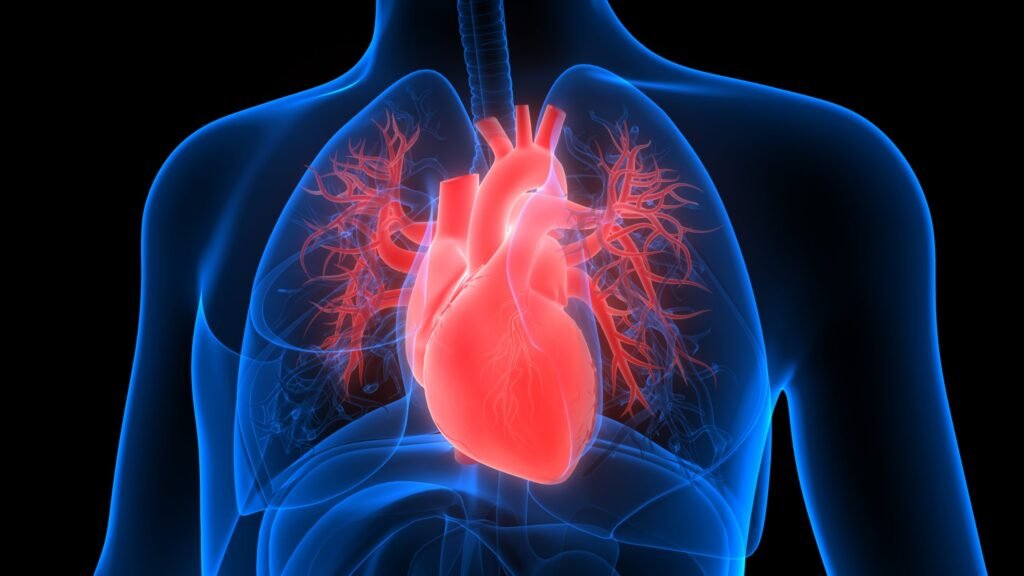
Heart failure is a chronic heart condition in which the heart is unable to pump enough blood to meet the body’s needs. Despite the name, it does not mean that the heart has stopped working. Instead, the heart becomes weaker or stiffer over time, reducing its ability to circulate oxygen-rich blood efficiently. This can lead to fatigue, shortness of breath, fluid buildup, and reduced physical activity. Heart failure may affect the left side, right side, or both sides of the heart and can develop gradually or suddenly, depending on the underlying cause. Early diagnosis and appropriate treatment play a crucial role in improving symptoms, slowing disease progression, and enhancing overall quality of life.
Causes
Heart failure often develops as a result of conditions that damage or overwork the heart muscle. Coronary artery disease, which reduces blood flow to the heart, is one of the most common causes. Long-standing high blood pressure forces the heart to work harder, eventually weakening the heart muscle. Previous heart attacks can leave permanent damage that affects the heart’s pumping ability. Other contributing factors include heart valve disorders, cardiomyopathy, congenital heart defects, abnormal heart rhythms, diabetes, obesity, thyroid disorders, chronic kidney disease, and certain infections affecting the heart muscle. Lifestyle factors such as smoking, excessive alcohol consumption, unhealthy eating habits, and physical inactivity can also increase the risk of developing heart failure.
Symptoms
The symptoms of heart failure may vary depending on its severity and the part of the heart affected. Common symptoms include persistent shortness of breath during activity or while lying down, swelling in the feet, ankles, legs, or abdomen due to fluid retention, and unusual fatigue or weakness. Patients may also experience rapid weight gain from fluid accumulation, persistent coughing or wheezing, reduced ability to exercise, loss of appetite, nausea, and frequent nighttime urination. In more advanced stages, confusion, dizziness, irregular heartbeat, and chest discomfort may occur. Because these symptoms can worsen gradually, they should not be ignored, especially in individuals with known heart disease.
Diagnosis
The treatment of heart failure focuses on relieving symptoms, improving heart function, preventing complications, and slowing disease progression. Treatment plans are individualized based on the patient’s overall health, the type of heart failure, and its underlying cause. Medications such as ACE inhibitors, beta-blockers, diuretics, mineralocorticoid receptor antagonists, SGLT2 inhibitors, and other heart failure medications are commonly prescribed to improve heart function and reduce fluid retention. Lifestyle modifications, including reducing salt intake, maintaining a healthy weight, engaging in physician-approved physical activity, and quitting smoking, are essential components of treatment. In selected patients, advanced therapies such as implantable cardioverter-defibrillators (ICDs), cardiac resynchronization therapy (CRT), heart valve repair or replacement, coronary artery bypass surgery, or heart transplantation may be recommended to improve long-term outcomes.
Treatment Options
The treatment of heart failure focuses on relieving symptoms, improving heart function, preventing complications, and slowing disease progression. Treatment plans are individualized based on the patient’s overall health, the type of heart failure, and its underlying cause. Medications such as ACE inhibitors, beta-blockers, diuretics, mineralocorticoid receptor antagonists, SGLT2 inhibitors, and other heart failure medications are commonly prescribed to improve heart function and reduce fluid retention. Lifestyle modifications, including reducing salt intake, maintaining a healthy weight, engaging in physician-approved physical activity, and quitting smoking, are essential components of treatment. In selected patients, advanced therapies such as implantable cardioverter-defibrillators (ICDs), cardiac resynchronization therapy (CRT), heart valve repair or replacement, coronary artery bypass surgery, or heart transplantation may be recommended to improve long-term outcomes.
Post-Treatment Care
Ongoing care is essential for successfully managing heart failure and preventing future hospitalizations. Patients should take medications exactly as prescribed and attend regular follow-up appointments to monitor heart function and treatment response. Daily weight monitoring helps detect early fluid retention, while following a heart-healthy, low-sodium diet supports better cardiovascular health. Limiting fluid intake when advised, staying physically active within recommended limits, managing diabetes and high blood pressure, and avoiding tobacco and excessive alcohol consumption are equally important. Vaccinations against influenza and pneumonia may also be recommended to reduce the risk of infections that can place additional strain on the heart.
Risks or Complications
If left untreated or poorly controlled, heart failure can lead to several serious complications. These include worsening heart function, irregular heart rhythms, kidney damage, liver congestion, fluid accumulation in the lungs, blood clots, stroke, and recurrent hospital admissions. In advanced cases, severe heart failure may significantly reduce life expectancy and affect daily functioning. Timely diagnosis, adherence to treatment, and regular medical supervision greatly reduce the risk of these complications and help patients maintain a more active and independent lifestyle.
When to See a Doctor
Medical attention should be sought if you experience persistent shortness of breath, unexplained swelling in the legs or abdomen, sudden weight gain, extreme fatigue, persistent coughing, rapid or irregular heartbeat, or difficulty performing routine daily activities. Immediate emergency care is necessary if symptoms include severe chest pain, fainting, sudden difficulty breathing, coughing up pink frothy sputum, or loss of consciousness, as these may indicate a life-threatening cardiac emergency. Early consultation with an experienced cardiologist allows prompt diagnosis, effective treatment, and better long-term management of heart failure.
Explore more:
Explore Our Specialities
Trusted expertise. Compassionate care. Healthier hearts.
Conditions Treated
Our cardiology practice is dedicated to the prevention, diagnosis, and treatment of a wide range of heart and vascular conditions using advanced technology and evidence-based care.
Don’t Ignore Your Symptoms
Get timely diagnosis and expert treatment for lasting relief.