
Introduction
Heart attack and cardiac arrest are two serious medical emergencies that are often confused. Although both affect the heart, they are different conditions with different causes, symptoms, and treatments. Recognizing the difference and seeking immediate medical attention can save lives.
What Is a Heart Attack?
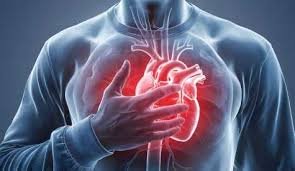
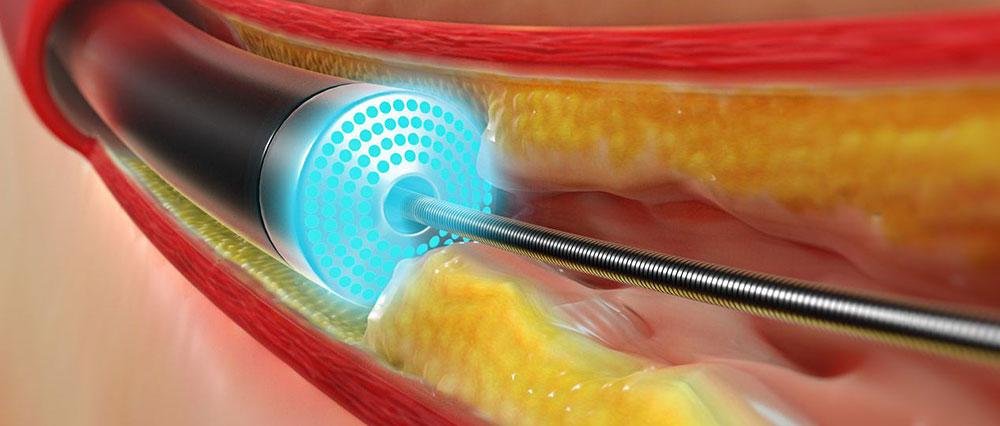
A heart attack, also known as myocardial infarction, occurs when blood flow to a part of the heart muscle is blocked, usually due to a buildup of plaque in the coronary arteries. Without enough oxygen-rich blood, the affected heart muscle begins to suffer damage.
What Is Cardiac Arrest?
Cardiac arrest occurs when the heart suddenly stops beating effectively due to an electrical malfunction. As a result, blood flow to the brain and other vital organs stops immediately. Cardiac arrest requires emergency treatment, including CPR and defibrillation, to restore the heart’s normal rhythm.
Heart Attack vs Cardiac Arrest: Key Differences
Although both conditions affect the heart, a heart attack is caused by a blocked artery, while cardiac arrest is caused by an electrical problem that stops the heart from pumping blood. A heart attack usually develops while the heart continues to beat, whereas cardiac arrest causes an immediate loss of consciousness and absence of a pulse.
Symptoms of a Heart Attack
Common symptoms include:
- Chest pain or pressure
- Pain spreading to the left arm, jaw, neck, or back
- Shortness of breath
- Cold sweating
- Nausea or vomiting
- Dizziness
- Unusual fatigue
Symptoms of Cardiac Arrest
Common signs include:
- Sudden collapse
- Loss of consciousness
- No pulse
- No normal breathing
- Sudden unresponsiveness
What Should You Do During a Heart Attack?
If someone experiences symptoms of a heart attack, call emergency medical services immediately. Keep the person calm, loosen tight clothing, and follow medical advice while waiting for help. Prompt treatment significantly improves the chances of recovery.
What Should You Do During Cardiac Arrest?
If a person suddenly collapses and has no pulse or normal breathing, call emergency services immediately. Begin CPR without delay and use an Automated External Defibrillator (AED) if one is available. Quick action can greatly improve survival.
Can a Heart Attack Lead to Cardiac Arrest?
Yes. In some cases, a severe heart attack can trigger dangerous heart rhythm disturbances that may lead to cardiac arrest if not treated promptly. Early diagnosis and treatment reduce this risk.
How Can You Reduce Your Risk?
Maintaining a heart-healthy lifestyle can help lower the risk of both conditions. This includes eating a balanced diet, exercising regularly, controlling blood pressure and cholesterol, managing diabetes, avoiding smoking, limiting alcohol intake, maintaining a healthy weight, and attending routine cardiac check-ups.
When Should You Consult a Cardiologist?
You should consult a cardiologist if you experience chest pain, breathlessness, irregular heartbeat, dizziness, or have risk factors such as high blood pressure, diabetes, high cholesterol, smoking, obesity, or a family history of heart disease.
Frequently Asked Questions
Is a heart attack the same as cardiac arrest?
No. A heart attack is caused by blocked blood flow to the heart, while cardiac arrest occurs when the heart suddenly stops beating effectively.
Can someone survive cardiac arrest?
Yes. Immediate CPR and early defibrillation can significantly improve survival.
Does every heart attack cause cardiac arrest?
No. Most heart attacks do not lead to cardiac arrest, but severe cases may trigger it.
What are the first warning signs of a heart attack?
Chest pain, pain in the arm or jaw, shortness of breath, sweating, nausea, and fatigue are common warning signs.
Can heart attacks be prevented?
Many heart attacks can be prevented by maintaining a healthy lifestyle and managing conditions such as high blood pressure, diabetes, and high cholesterol.
Conclusion
Understanding the difference between a heart attack and cardiac arrest is essential for recognizing emergencies and seeking timely medical care. Early diagnosis, immediate treatment, and regular heart health check-ups can save lives and reduce the risk of serious complications.