
Cardiac Tamponade
Cardiac Tamponade
Overview
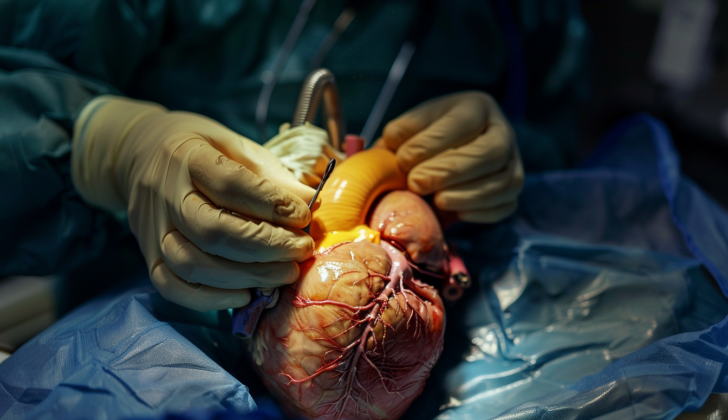
Cardiac tamponade is a serious medical emergency that occurs when fluid, blood, or other substances accumulate within the sac surrounding the heart (pericardium). As this fluid builds up, it places increasing pressure on the heart, preventing it from filling and pumping blood effectively. This can significantly reduce blood flow to vital organs and may become life-threatening if not treated promptly. Cardiac tamponade can develop suddenly following trauma or gradually due to underlying medical conditions. Early diagnosis and immediate medical intervention are essential to relieve pressure on the heart and restore normal circulation. Under the expert care of Dr. Nagur A, patients receive prompt evaluation and advanced treatment to ensure the best possible outcomes.
Causes
Cardiac tamponade can result from various conditions that cause fluid or blood to collect around the heart. One of the most common causes is chest trauma, including injuries from accidents or penetrating wounds. It may also occur after heart surgery, cardiac procedures, or complications following a heart attack. Certain infections, particularly viral or bacterial infections affecting the pericardium, can lead to inflammation and fluid accumulation. Other causes include cancer that spreads to the lining of the heart, kidney failure, autoimmune diseases such as lupus or rheumatoid arthritis, and severe hypothyroidism. In some cases, anticoagulant medications or rupture of the aorta can cause bleeding into the pericardial space, leading to rapid onset cardiac tamponade.
Symptoms
The symptoms of cardiac tamponade often develop quickly and can worsen rapidly without treatment. Patients commonly experience severe chest discomfort, shortness of breath, rapid heartbeat, dizziness, and extreme weakness. As the heart becomes less effective at pumping blood, low blood pressure, fainting, confusion, and cold or clammy skin may develop. Some individuals may notice swelling in the legs or abdomen, while others experience difficulty breathing even while resting. Because these symptoms may resemble those of other serious heart conditions, immediate medical assessment is essential whenever they occur.
Diagnosis
Diagnosing cardiac tamponade requires a combination of clinical examination and advanced imaging techniques. During the physical examination, the cardiologist evaluates blood pressure, heart sounds, pulse, and signs of poor circulation. An echocardiogram is the most important diagnostic test, as it provides real-time images showing fluid around the heart and its effect on heart function. Additional investigations may include an electrocardiogram (ECG), chest X-ray, blood tests, and CT scan or MRI in selected cases. Rapid and accurate diagnosis allows immediate treatment, reducing the risk of serious complications.
Treatment Options
The primary goal of treatment is to relieve the pressure surrounding the heart and restore normal blood circulation. The most common emergency procedure is pericardiocentesis, in which a needle and catheter are used to drain excess fluid from the pericardial sac under imaging guidance. In certain situations, surgical procedures such as creating a pericardial window or repairing the source of bleeding may be necessary. Alongside emergency treatment, medications may be administered to stabilize blood pressure and manage the underlying cause, such as antibiotics for infections, anti-inflammatory drugs for pericarditis, or cancer-directed therapies when appropriate. Early intervention significantly improves survival and long-term recovery.
Post-Treatment Care
Recovery following treatment depends on the underlying cause and the patient’s overall health. Regular follow-up appointments are important to monitor heart function and ensure that fluid does not accumulate again. Repeat echocardiograms may be recommended to evaluate the healing process and detect any recurrence. Patients should take prescribed medications as directed, maintain adequate hydration if advised, and follow recommendations regarding physical activity during recovery. Managing chronic conditions such as kidney disease, autoimmune disorders, or heart disease also plays an important role in preventing future episodes. A heart-healthy lifestyle, including a balanced diet, regular exercise as advised by the cardiologist, and avoiding smoking, supports long-term cardiovascular health.
Risks or Complications
If cardiac tamponade is not treated promptly, it can lead to severe complications due to inadequate blood flow throughout the body. These complications include shock, organ failure, dangerously low blood pressure, abnormal heart rhythms, and cardiac arrest. Even after successful treatment, some patients may experience recurrent fluid accumulation or persistent pericardial inflammation depending on the underlying condition. Timely diagnosis, appropriate treatment, and regular follow-up care greatly reduce the likelihood of long-term complications and improve overall prognosis.If left untreated, pericardial effusion can lead to serious health complications. The most significant complication is cardiac tamponade, in which the accumulated fluid compresses the heart and prevents it from filling properly, resulting in a life-threatening reduction in blood circulation. Persistent or recurrent effusions may also cause ongoing symptoms, repeated hospitalizations, and chronic inflammation of the pericardium. Identifying and treating the underlying cause early significantly reduces the risk of long-term complications and improves overall outcomes.
When to See a Doctor
Seek immediate medical attention if you experience sudden chest pain, severe shortness of breath, fainting, rapid heartbeat, unexplained weakness, or symptoms of low blood pressure such as dizziness and confusion. Individuals with recent chest injuries, heart surgery, known pericardial disease, cancer, or kidney disease should be especially alert to these warning signs. Cardiac tamponade is a medical emergency that requires urgent evaluation and treatment. Consulting an experienced cardiologist like Dr. Nagur A without delay can be lifesaving and helps ensure prompt diagnosis, effective treatment, and comprehensive long-term cardiac care.
Explore more:
Explore Our Specialities
Trusted expertise. Compassionate care. Healthier hearts.
Conditions Treated
Our cardiology practice is dedicated to the prevention, diagnosis, and treatment of a wide range of heart and vascular conditions using advanced technology and evidence-based care.
Don’t Ignore Your Symptoms
Get timely diagnosis and expert treatment for lasting relief.