
Aortic Aneurysms and Aortic Dissections
Aortic Aneurysms and Aortic Dissections
Overview
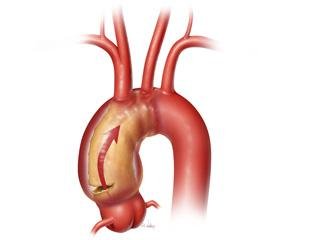
The aorta is the largest artery in the body, carrying oxygen-rich blood from the heart to the rest of the organs. An aortic aneurysm occurs when a section of the aortic wall weakens and bulges outward, while an aortic dissection is a serious condition in which a tear develops in the inner layer of the aorta, allowing blood to flow between the layers of the vessel wall. Both conditions can become life-threatening if left untreated. Early diagnosis and timely medical care are essential to prevent severe complications. With advances in cardiovascular imaging and treatment, many patients can achieve excellent outcomes through personalized care and regular follow-up.
Causes
Aortic aneurysms and dissections develop due to a combination of factors that weaken the walls of the aorta over time. Long-standing high blood pressure is one of the most common causes, as it places continuous stress on the artery. Atherosclerosis, or the buildup of fatty deposits in the arteries, can also contribute to weakening of the aortic wall. Certain inherited connective tissue disorders, such as Marfan syndrome or Ehlers-Danlos syndrome, increase the risk of these conditions. Advancing age, smoking, high cholesterol, previous heart or blood vessel surgery, chest injuries, and a family history of aortic disease are additional risk factors. In some cases, an aortic dissection may occur suddenly without warning, especially in individuals with uncontrolled hypertension.
Symptoms
The symptoms of an aortic aneurysm often depend on its size and location. Small aneurysms may not cause any symptoms and are sometimes discovered during routine imaging performed for other reasons. As the aneurysm enlarges, patients may experience chest pain, back pain, abdominal discomfort, difficulty swallowing, hoarseness, or a pulsating sensation in the abdomen. An aortic dissection usually presents with sudden, severe chest or upper back pain that may feel sharp, tearing, or ripping in nature. The pain can spread to the neck, jaw, abdomen, or legs. Some patients may also experience shortness of breath, fainting, weakness on one side of the body, difficulty speaking, or signs of reduced blood flow to different organs. These symptoms require immediate emergency medical attention.
Diagnosis
Diagnosing aortic aneurysms and dissections begins with a detailed evaluation of the patient’s medical history, symptoms, and cardiovascular risk factors. During the physical examination, the cardiologist may identify abnormal heart sounds, differences in blood pressure between the arms, or signs suggesting reduced blood circulation. Imaging studies play a crucial role in confirming the diagnosis. Echocardiography is commonly used to assess the heart and the initial portion of the aorta, while CT angiography and MRI provide detailed images of the entire aorta. In emergency situations, these advanced imaging techniques help determine the location, size, and severity of the condition, allowing the medical team to develop the most appropriate treatment plan.
Treatment Options
The treatment approach depends on whether the patient has an aneurysm or a dissection, as well as the size, location, and severity of the condition. Small aneurysms that do not pose an immediate risk may be managed with regular imaging, blood pressure control, cholesterol management, and lifestyle modifications to prevent further enlargement. Larger aneurysms or those showing rapid growth may require surgical repair or minimally invasive endovascular procedures to reduce the risk of rupture.
An aortic dissection is a medical emergency that often requires immediate hospitalization. Medications are used initially to rapidly lower blood pressure and reduce stress on the aorta. Depending on the type and location of the dissection, emergency open-heart surgery or endovascular repair may be necessary to restore normal blood flow and prevent life-threatening complications. A cardiologist works closely with cardiovascular surgeons to determine the safest and most effective treatment for each patient.
Post-Treatment Care
Recovery after treatment focuses on protecting the repaired aorta and reducing the risk of future cardiovascular events. Patients are advised to take prescribed medications regularly, particularly those used to control blood pressure and heart rate. Regular follow-up appointments and imaging studies are essential to monitor the condition of the aorta over time. Maintaining a heart-healthy lifestyle by avoiding smoking, eating a balanced diet, exercising under medical guidance, managing stress, and controlling diabetes and cholesterol levels plays an important role in long-term recovery. Patients should also avoid heavy lifting or strenuous physical activity unless approved by their healthcare provider.
Risks or Complications
If left untreated, aortic aneurysms and dissections can lead to serious and potentially fatal complications. An enlarging aneurysm may rupture, causing massive internal bleeding that requires immediate emergency treatment. Aortic dissection can reduce blood flow to vital organs, leading to stroke, heart attack, kidney failure, intestinal damage, or limb ischemia. Even after successful treatment, there remains a risk of recurrence or enlargement in other sections of the aorta, making lifelong monitoring essential. Early diagnosis, timely intervention, and consistent follow-up significantly reduce these risks and improve long-term survival.
When to See a Doctor
You should seek medical attention if you experience persistent chest pain, unexplained back or abdominal pain, shortness of breath, dizziness, fainting, or notice a pulsating lump in the abdomen. Individuals with long-standing high blood pressure, a family history of aortic disease, connective tissue disorders, or a history of smoking should undergo regular cardiovascular evaluations, especially if advised by their doctor. Sudden severe chest or back pain accompanied by weakness, difficulty speaking, or loss of consciousness is a medical emergency and requires immediate hospitalization. Prompt evaluation by an experienced cardiologist can lead to early detection, timely treatment, and better long-term heart and vascular health.
Explore more:
Explore Our Specialities
Trusted expertise. Compassionate care. Healthier hearts.
Conditions Treated
Our cardiology practice is dedicated to the prevention, diagnosis, and treatment of a wide range of heart and vascular conditions using advanced technology and evidence-based care.
Don’t Ignore Your Symptoms
Get timely diagnosis and expert treatment for lasting relief.