

Coronary Angioplasty: Procedure, Benefits, Risks & Recovery
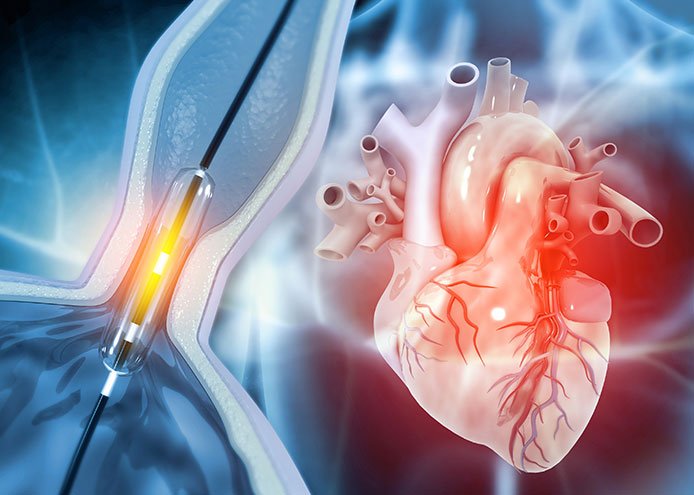
Introduction Coronary angioplasty is a minimally invasive procedure used to open narrowed or blocked coronary arteries and restore healthy blood flow to the heart. It helps relieve symptoms such as chest pain and reduces the risk of heart attacks, allowing patients to return to their daily activities with improved heart health. What Is Coronary Angioplasty? Coronary angioplasty, also known as percutaneous coronary intervention (PCI), is performed using a thin catheter with a small balloon at its tip. The balloon is inflated to widen the blocked artery, and in most cases, a stent is placed to keep the artery open. Why Is It Needed? Symptoms That May Indicate the Need Benefits Recovery Most patients return home within one or two days. Following your cardiologist’s advice regarding medications, exercise, diet, and follow-up visits is essential for a successful recovery. When to Consult a Cardiologist Seek medical attention if you experience persistent chest pain, breathlessness, or symptoms suggestive of heart disease. Early diagnosis and treatment can help prevent serious complications. Conclusion Coronary angioplasty is an effective treatment for blocked coronary arteries. Timely intervention and regular follow-up with an experienced cardiologist can significantly improve heart health and overall well-being.