

Laser Angioplasty: A Complete Patient Guide
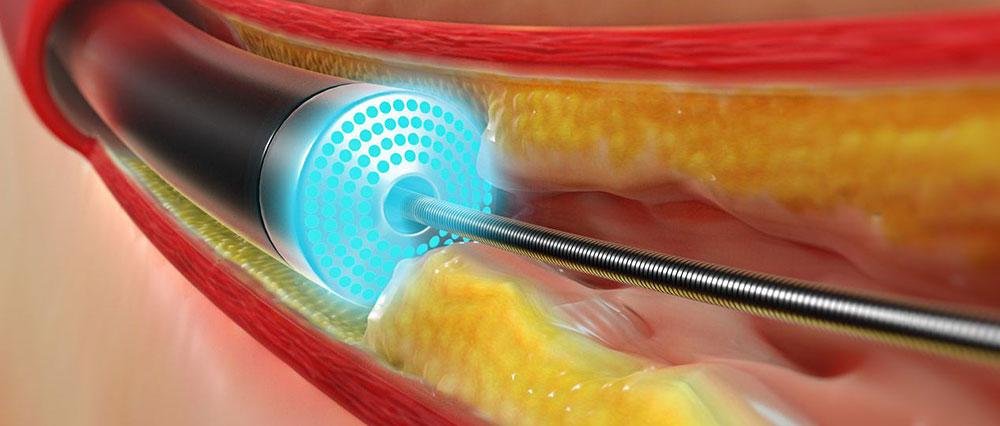
Introduction Laser angioplasty is an advanced minimally invasive procedure used to treat blocked or narrowed coronary arteries. Unlike conventional angioplasty, this technique uses laser energy to remove or vaporize plaque buildup inside the arteries, restoring healthy blood flow to the heart. It is particularly beneficial in selected cases where traditional balloon angioplasty may not be sufficient. What Is Laser Angioplasty? Laser angioplasty is a specialized form of coronary angioplasty that uses a catheter equipped with a laser tip. The laser emits controlled bursts of energy to break down or vaporize plaque that is blocking the coronary arteries. Once the blockage has been cleared, a balloon may be inflated and a stent may be placed to keep the artery open. Why Is Laser Angioplasty Performed? A cardiologist may recommend laser angioplasty for patients with complex coronary artery blockages, calcified plaques, long-standing arterial narrowing, or when conventional angioplasty is unlikely to provide the desired results. The procedure helps improve blood flow, relieve symptoms, and reduce the risk of heart attacks. Who May Need Laser Angioplasty? Laser angioplasty may be suitable for individuals who experience persistent chest pain (angina), shortness of breath, severe coronary artery disease, recurrent blockage after previous angioplasty, or heavily calcified arteries that are difficult to treat using standard techniques. How Is the Procedure Performed? The procedure is carried out in a cardiac catheterization laboratory under local anesthesia. A thin catheter with a laser device is inserted through an artery in the wrist or groin and guided to the blocked coronary artery. The laser is activated to remove plaque, after which balloon angioplasty and stent placement may be performed if required. The procedure generally takes 30 to 90 minutes depending on the complexity of the blockage. Benefits of Laser Angioplasty Laser angioplasty offers several advantages, including improved blood flow to the heart, effective treatment of complex or calcified blockages, relief from chest pain, reduced risk of heart attack, faster recovery compared to open-heart surgery, and a minimally invasive approach with shorter hospital stays. Risks and Possible Complications Although laser angioplasty is considered safe when performed by experienced cardiologists, potential risks include bleeding, infection, allergic reactions to contrast dye, damage to the artery, irregular heartbeat, blood clot formation, and, in rare cases, heart attack or stroke. Recovery After Laser Angioplasty Most patients recover quickly and can return home within one or two days. Mild soreness at the catheter insertion site is common and usually resolves within a few days. Patients should take prescribed medications, attend follow-up appointments, maintain a heart-healthy diet, exercise regularly as advised, and avoid smoking. How Can You Prevent Future Artery Blockages? Adopting a heart-healthy lifestyle is essential for preventing future blockages. This includes eating a balanced diet, exercising regularly, controlling blood pressure and cholesterol, managing diabetes, maintaining a healthy weight, avoiding tobacco products, and attending regular cardiac check-ups. When Should You Consult a Cardiologist? You should seek medical advice if you experience chest pain, breathlessness, dizziness, fatigue during physical activity, or have risk factors such as diabetes, hypertension, smoking, or a family history of heart disease. Early diagnosis and timely treatment can significantly improve heart health. Frequently Asked Questions Is laser angioplasty better than regular angioplasty? Laser angioplasty may be recommended for specific types of complex or calcified artery blockages. Your cardiologist will determine the most suitable treatment based on your condition. Is laser angioplasty painful? The procedure is performed under local anesthesia, and most patients experience little to no pain during treatment. How long does recovery take? Many patients return to normal activities within a few days, although complete recovery depends on individual health and the complexity of the procedure. Is a stent always required? Not always. However, in many cases, a stent is placed after laser angioplasty to help keep the artery open and reduce the risk of re-narrowing. Can artery blockages return after treatment? There is a possibility of recurrence if healthy lifestyle habits and prescribed medications are not followed. Regular follow-up with a cardiologist is essential. Conclusion Laser angioplasty is an advanced treatment option for selected patients with complex coronary artery disease. By effectively removing plaque and restoring blood flow, it can relieve symptoms, improve heart function, and enhance quality of life. Consulting an experienced cardiologist is the best way to determine whether laser angioplasty is the right treatment for your condition.
Coronary Angiography: Everything You Need to Know
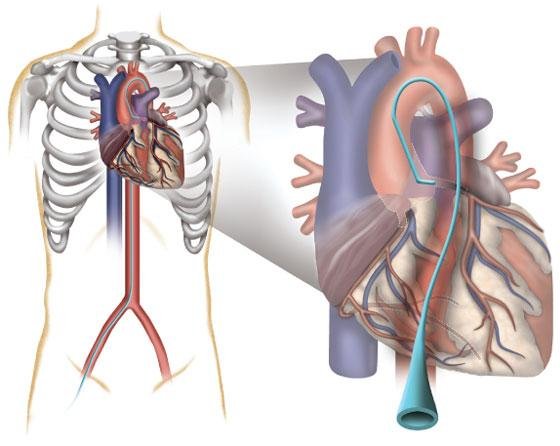
Introduction Coronary angiography is a diagnostic procedure used to examine the blood vessels that supply the heart. It helps cardiologists identify narrowed or blocked coronary arteries, determine the severity of heart disease, and plan the most appropriate treatment. This safe and commonly performed test plays a vital role in diagnosing cardiovascular conditions and preventing serious complications such as heart attacks. What Is Coronary Angiography? Coronary angiography, also known as coronary angiogram, is an imaging procedure that uses X-ray technology and a special contrast dye to visualize the coronary arteries. A thin catheter is inserted through the wrist or groin and guided to the heart, allowing the cardiologist to assess blood flow and detect any blockages or abnormalities. Why Is Coronary Angiography Performed? A cardiologist may recommend coronary angiography to investigate symptoms or evaluate heart health. The procedure helps diagnose coronary artery disease, assess chest pain, evaluate abnormal stress test results, identify the cause of reduced blood flow to the heart, and determine whether treatments such as angioplasty or bypass surgery are necessary. Who Needs Coronary Angiography? This procedure may be recommended for individuals who experience persistent chest pain, shortness of breath, unexplained fatigue, abnormal ECG or stress test findings, or those who are at high risk of heart disease due to diabetes, high blood pressure, smoking, or a family history of cardiovascular conditions. How Is the Procedure Performed? The procedure is usually performed under local anesthesia. A catheter is inserted into an artery in the wrist or groin and carefully guided to the coronary arteries. Contrast dye is injected through the catheter, and X-ray images are captured to evaluate blood flow and identify any narrowing or blockage. The entire procedure generally takes between 30 and 60 minutes. Benefits of Coronary Angiography Coronary angiography provides accurate diagnosis of coronary artery disease, helps identify blocked or narrowed arteries, assists in planning appropriate treatment, guides procedures such as angioplasty and stent placement, and enables early detection of potentially serious heart conditions. Risks and Possible Complications Although coronary angiography is considered safe, there are some potential risks, including bleeding at the catheter insertion site, allergic reaction to the contrast dye, infection, temporary irregular heartbeat, kidney problems in susceptible individuals, and, in very rare cases, stroke or heart attack. Recovery After Coronary Angiography Most patients can return home on the same day or after a short observation period. Mild soreness or bruising at the catheter insertion site is common and usually resolves within a few days. Patients are advised to stay hydrated, avoid strenuous activities for 24–48 hours, and follow all post-procedure instructions provided by their cardiologist. When Should You Consult a Cardiologist? You should consult a cardiologist if you experience chest pain, shortness of breath, dizziness, unexplained fatigue, palpitations, or have multiple risk factors for heart disease. Early diagnosis through appropriate testing can help prevent serious complications and improve long-term heart health. Frequently Asked Questions Is coronary angiography painful? The procedure is generally not painful. Local anesthesia is used to numb the insertion site, and most patients experience only mild discomfort. How long does coronary angiography take? The procedure usually takes between 30 and 60 minutes, depending on the complexity of the case. Is coronary angiography safe? Yes. It is a routine and safe diagnostic procedure when performed by an experienced cardiologist. Can I go home the same day? Most patients are discharged on the same day, although some may require overnight observation depending on their condition. What happens if a blockage is found? If a significant blockage is detected, your cardiologist may recommend treatments such as coronary angioplasty with stent placement or coronary artery bypass surgery, depending on the severity and location of the blockage. Conclusion Coronary angiography is an essential diagnostic tool for evaluating the health of the coronary arteries. It enables early detection of heart disease, supports accurate treatment planning, and helps prevent life-threatening complications. If you have symptoms of heart disease or are at increased cardiovascular risk, consult an experienced cardiologist to determine whether coronary angiography is appropriate for you.
Coronary Angioplasty: Procedure, Benefits, Risks & Recovery
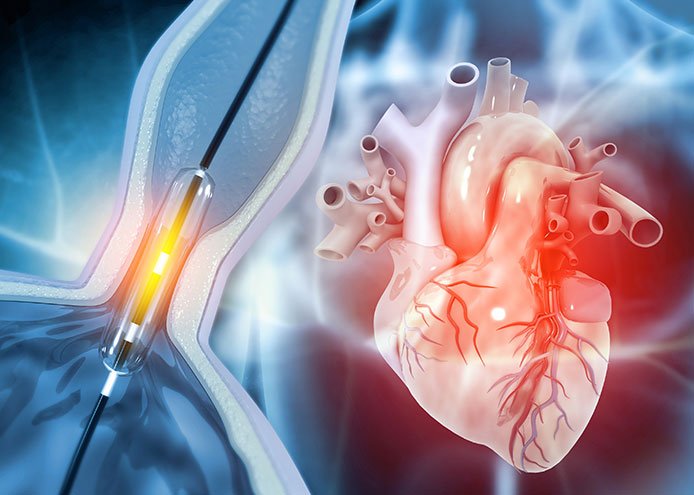
Introduction Coronary angioplasty is a minimally invasive procedure used to open narrowed or blocked coronary arteries and restore healthy blood flow to the heart. It helps relieve symptoms such as chest pain and reduces the risk of heart attacks, allowing patients to return to their daily activities with improved heart health. What Is Coronary Angioplasty? Coronary angioplasty, also known as percutaneous coronary intervention (PCI), is performed using a thin catheter with a small balloon at its tip. The balloon is inflated to widen the blocked artery, and in most cases, a stent is placed to keep the artery open. Why Is It Needed? Symptoms That May Indicate the Need Benefits Recovery Most patients return home within one or two days. Following your cardiologist’s advice regarding medications, exercise, diet, and follow-up visits is essential for a successful recovery. When to Consult a Cardiologist Seek medical attention if you experience persistent chest pain, breathlessness, or symptoms suggestive of heart disease. Early diagnosis and treatment can help prevent serious complications. Conclusion Coronary angioplasty is an effective treatment for blocked coronary arteries. Timely intervention and regular follow-up with an experienced cardiologist can significantly improve heart health and overall well-being.